



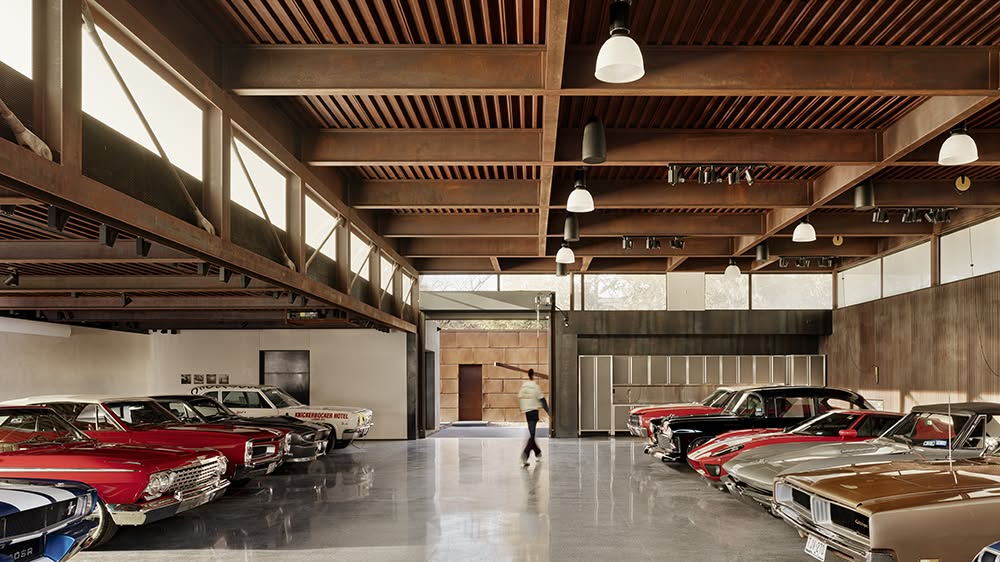
Owning a classic car is about more than transport. Each vehicle carries a piece of history: the design ideas, engineering and culture of its era.
For many Australians, a classic car collection starts with one treasured vehicle. It might be a childhood dream, a family heirloom or a weekend project that took over the garage.
Over time, that single car can grow into a carefully chosen collection that brings joy, community and, in some cases, financial value.
Building a collection that lasts takes more than enthusiasm, though. Smart collectors plan their purchases, keep detailed records and protect their vehicles from the slow damage caused by time, weather and neglect.
Whether you’re just starting out or already own several cars, the principles below will help you build a collection you can be proud of for decades.
Defining Your Collecting Focus
Choose a Theme That Inspires You
The most rewarding collections usually have a clear focus. Some collectors specialise in one manufacturer, such as Holden, Ford Falcon or Valiant. Others are drawn to a particular decade, like the muscle cars of the 1970s or the boxy icons of the 1980s. A theme helps you organise your research, recognise good opportunities and avoid impulse buys that don’t fit your goals.
Balance Passion With Practicality
Passion should drive your collection, but practicality keeps it going. Think about parts availability, the mechanical skills you have and your budget for ongoing maintenance. A rare European import might be thrilling to own, but if parts have to be shipped from overseas and specialised mechanics are scarce, keeping it on the road can get expensive.
Steps to Building a Successful Classic Car Collection
A structured approach helps you make confident decisions and protects your investment. Here are the key steps experienced collectors follow:
- Research the market thoroughly. Study recent auction results, private sales and club classifieds so you understand fair values for the models you’re interested in. Prices vary a lot with originality, condition and provenance.
- Set a realistic budget. Your budget should cover the purchase price plus restoration, insurance, registration, servicing and storage. Many collectors find that ongoing costs equal or exceed the purchase price within a few years.
- Inspect before you buy. Always arrange a professional pre-purchase inspection. Look for rust, mismatched numbers, accident repairs and signs of poor-quality restoration work.
- Verify documentation and history. Original build plates, service records, previous ownership details and compliance plates add both authenticity and value. Gaps in the paperwork should prompt more questions.
- Join a car club. Clubs offer valuable knowledge, technical support, parts networks and social events. In many states, club membership is also linked to concessional registration schemes.
- Plan for secure, climate-appropriate storage. Where and how you store your cars has a direct effect on their condition and long-term value.
- Keep a maintenance schedule. Regular servicing, fluid changes and short drives keep seals supple, batteries healthy and mechanical parts in working order.
Understanding Registration for Classic Vehicles
Registration is an important consideration for any collector. In Queensland, owners of eligible older vehicles may be able to use the Special Interest Vehicle Concession Scheme, administered by the Department of Transport and Main Roads.
Historic motor vehicles generally need to be at least 30 years old to qualify. Street rods and hot rods qualify when the body and frame were built before 1949. Vehicles registered under the scheme receive reduced fees and compulsory third party (CTP) insurance premiums in exchange for strict limits on road use.
Before you apply, read the eligibility criteria and conditions of use carefully, and check with your car club about any membership requirements. Following the rules protects your registration and keeps your insurance cover valid.
Protecting Your Investment Through Proper Storage
The Hidden Threats to Classic Cars
Even a car that’s rarely driven can deteriorate quickly if it’s stored poorly. Humidity encourages rust and mould, direct sunlight fades paint and cracks interiors, and pests can chew through wiring and upholstery. Queensland’s subtropical climate makes these risks worse, as high humidity and summer heat can damage paintwork, chrome and leather.
Preparing a Car for Long-Term Storage
Proper preparation makes a big difference. Before storing a car for an extended period, collectors typically:
- Wash and wax the exterior to protect the paint.
- Fill the fuel tank and add a fuel stabiliser.
- Change the oil to remove contaminants that can damage engine parts.
- Connect a battery maintainer or disconnect the battery.
- Inflate the tyres to the recommended pressure, or use tyre cradles, to prevent flat spots.
- Use a breathable, fitted car cover rather than plastic sheeting.
For a helpful visual guide, watch this video on how to prepare your car for long-term storage. It walks through the key steps in detail.
Choosing Professional Storage
A home garage might work for one vehicle, but a growing collection soon needs more space, better security and climate control.
Professional facilities offer controlled temperature and humidity, monitored security systems, fire protection and insurance-friendly conditions.
If you’re based in south-east Queensland, specialised vehicle storage in Brisbane can give you peace of mind that your cars are protected by people who understand classic and collectible vehicles.
Insuring and Documenting Your Collection
Standard car insurance rarely covers the true value of a classic vehicle. Agreed-value policies from specialist classic car insurers make sure you’d receive a set, pre-agreed amount if the car were stolen or written off. Keep a detailed record of every car in your collection, including:
- Photographs from every angle, including the engine bay and interior.
- Receipts for parts, restoration work and servicing.
- Valuation certificates updated every few years.
- Copies of registration, ownership and club documents.
Good documentation makes insurance claims easier and adds credibility, and value, if you ever decide to sell.
Enjoying the Journey
A classic car collection is meant to be enjoyed. Take your vehicles to club runs, Show ’n’ Shines and heritage motoring events. Share your knowledge with newer enthusiasts and connect with fellow collectors who share your passion. The friendships and experiences along the way are often as valuable as the cars themselves.
Final Thoughts
Building a classic car collection is a long-term commitment that rewards patience, research and care. Define your focus, buy wisely, understand your registration options and invest in proper storage and insurance.
That way, your collection will stay in excellent condition and keep its value for years to come. Treat each car as the piece of motoring history it is, and your collection will become a legacy worth passing on.
