



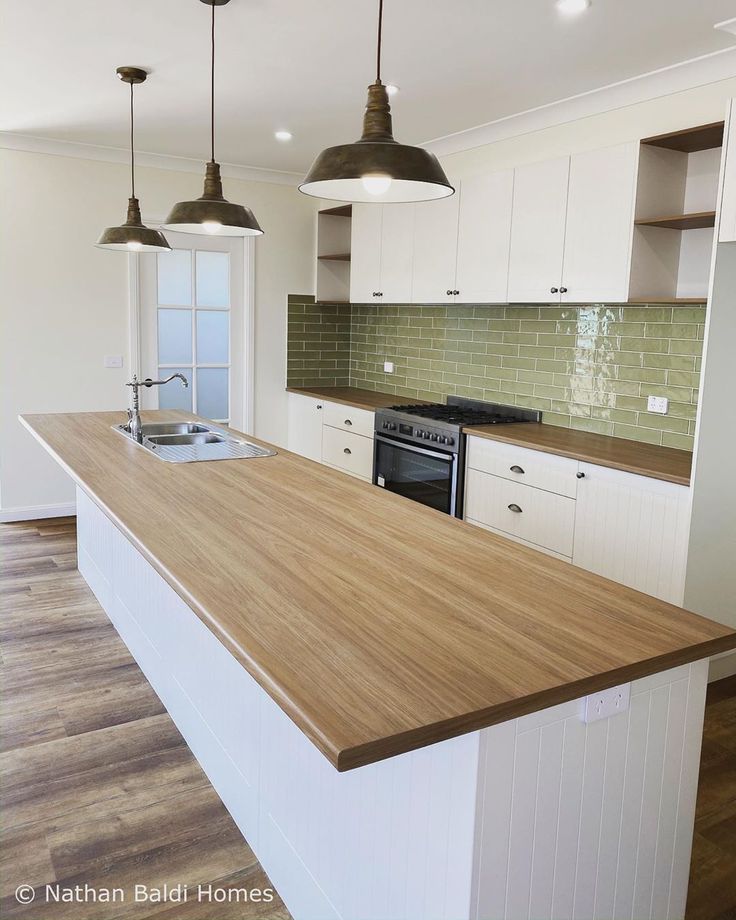
When it comes to designing a kitchen, one of the most important decisions you’ll make is choosing the right benchtop material. Your benchtop not only impacts the aesthetic of your space but also plays a crucial role in its functionality. With so many options available, it can be overwhelming to determine which material is best for your needs. To help you make an informed decision, let’s take a closer look at the pros and cons of popular kitchen benchtop materials.
1. Granite Benchtops
Granite has long been a favorite choice for homeowners who want a durable, luxurious, and stylish benchtop. It’s a natural stone that brings elegance and strength to any kitchen design.
Pros:
- Durability: Granite is incredibly tough, resistant to scratches, heat, and stains. It’s a great choice for a high-traffic kitchen.
- Aesthetic Appeal: The natural veining and patterns of granite make each benchtop unique, adding character and beauty to your kitchen.
- Value: Granite can increase the resale value of your home due to its high-end look.
Cons:
- Maintenance: Granite needs to be sealed regularly to prevent staining and bacteria growth, which can be a hassle.
- Cost: It’s one of the more expensive benchtop materials, especially if you opt for high-quality stone.
- Weight: Granite can be quite heavy, making it difficult to install and handle.
2. Quartz Benchtops
Quartz benchtops have gained significant popularity in recent years for their combination of durability, beauty, and low maintenance.
Pros:
- Low Maintenance: Quartz doesn’t require sealing, unlike granite, and is resistant to stains, scratches, and heat.
- Wide Range of Styles: Available in a variety of colors and patterns, quartz can mimic the look of natural stone, providing many design options.
- Durability: It’s a strong and resilient material, resistant to chips and cracks.
Cons:
- Not Heat Resistant: While quartz is durable, it doesn’t handle high heat well. Placing hot pots directly on the surface can cause damage.
- Cost: Although typically more affordable than granite, quartz can still be on the pricier side.
- Not Completely Natural: Quartz is an engineered stone, made from a combination of natural quartz and resins, so it lacks the authenticity of natural stone like granite.
3. Laminate Benchtops
Laminate benchtops are a budget-friendly option, making them a popular choice for homeowners looking for an affordable kitchen renovation.
Pros:
- Cost-Effective: Laminate is one of the most affordable options, which makes it an excellent choice for those on a tight budget.
- Variety of Designs: Laminate comes in a wide range of colors, patterns, and textures, including designs that mimic natural stone or wood.
- Easy to Maintain: It requires minimal maintenance and can be cleaned easily with a damp cloth.
Cons:
- Durability: Laminate is not as durable as natural stones like granite or quartz. It can be scratched, chipped, or burned if not handled carefully.
- Can Look Cheap: While laminate has come a long way in design, it still might not have the high-end appeal of other materials.
- Susceptible to Water Damage: Excessive moisture can cause the laminate to peel or warp over time.
4. Marble Benchtops
Marble is a luxurious and timeless option that adds sophistication to any kitchen. Known for its classic aesthetic, it’s a material that has stood the test of time.
Pros:
- Elegant Appearance: The natural veining and glossy finish of marble create a stunning look that enhances the beauty of any kitchen.
- Heat Resistant: Marble is heat-resistant, making it ideal for bakers who need to work with hot tools and ingredients.
- Unique Design: Like granite, each marble slab is unique, providing a distinct appearance to your kitchen.
Cons:
- High Maintenance: Marble is porous and can stain easily, requiring regular sealing to maintain its appearance.
- Softness: Marble is softer than granite and can chip or scratch more easily.
- Price: Marble is another expensive option, often priced higher than granite or quartz.
5. Concrete Benchtops
Concrete is a trendy material for modern kitchens, offering a unique industrial look that’s both customizable and highly durable.
Pros:
- Customizable: Concrete can be poured into any shape or size, allowing for unique and tailored designs.
- Durability: Once sealed, concrete is highly durable and resistant to heat and damage.
- Aesthetic Flexibility: Concrete can be stained or polished to achieve various finishes, from matte to glossy, and it can even be combined with other materials for a more eclectic look.
Cons:
- Sealing Required: Like granite and marble, concrete requires sealing to prevent staining and damage.
- Can Crack: While concrete is durable, it can crack under heavy weight or extreme pressure if not properly reinforced.
- Heavy and Expensive: Concrete can be costly to install and quite heavy, making installation more complicated.
Conclusion: Choosing the Best Kitchen Benchtop Material for You
The pros and cons of popular kitchen benchtop materials will depend largely on your priorities—whether that’s durability, aesthetics, maintenance, or cost. Granite and marble offer timeless beauty and strength, while quartz provides an easy-care option for modern homes. Laminate is a great choice if you’re on a budget, and concrete offers a bold, customizable option for those seeking a unique kitchen look.
