



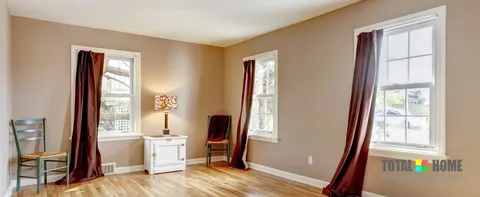
Planning a home renovation can be thrilling, but the financial surprises that pop up along the way can quickly dampen that excitement. While you might have a clear vision of your dream space, understanding the true cost of bringing it to life requires looking beyond the obvious expenses. Many homeowners discover too late that their initial budget was just the tip of the iceberg.
The average home renovation in 2025 costs between $19,500 and $88,400, depending on the project scope. However, working with an experienced custom home designer from the start can help you identify potential hidden costs before they become budget-busting problems. Professional designers understand the nuances of renovation projects and can create realistic budgets that account for unexpected expenses.
One of the biggest hidden costs homeowners face is permit fees and inspections. Depending on your location and project scope, permits can add several thousand dollars to your budget. Major renovations often require multiple permits for electrical, plumbing, and structural work. Each permit comes with inspection fees, and if inspections reveal code violations in existing structures, you’ll need to budget for bringing everything up to current standards.
Structural surprises are another common budget killer. Once walls come down, contractors often discover outdated wiring, old plumbing that needs replacement, hidden water damage, or even asbestos that requires professional remediation. Setting aside a contingency fund of at least 15-20% of your total budget gives you breathing room when these discoveries happen. Many experienced homeowners recommend going even higher, especially for older homes.
Labor costs continue to rise in 2025, and they typically make up 40-50% of your total renovation budget. Skilled tradespeople are in high demand, and their rates reflect that reality. Don’t be tempted to cut corners by hiring unlicensed contractors to save money. Poor workmanship can lead to costly repairs down the road and may create serious safety issues. Always verify licenses, insurance, and references before hiring anyone.
Material costs can be deceiving at first glance. That beautiful tile you selected might seem reasonably priced per square foot, but once you factor in underlayment, grout, sealer, and installation supplies, the total cost multiplies quickly. Additionally, when you learn about material pricing trends, you’ll discover that prices fluctuate based on supply chain issues and seasonal demand. Ordering materials too early ties up your money, but waiting too long might mean price increases or availability issues.
Temporary living arrangements are an expense many people forget to budget for. Major renovations often make your home unlivable for weeks or months. Whether you’re renting a temporary apartment, staying in hotels, or eating out because your kitchen is gutted, these costs add up quickly. Don’t forget about storage fees if you need to protect furniture and belongings during construction.
Utility upgrades frequently become necessary during renovations. Your existing electrical panel might not support new appliances, requiring a costly upgrade. Old HVAC systems may need replacement to efficiently heat or cool your newly renovated space. Plumbing updates often become necessary when adding bathrooms or relocating kitchens. These aren’t optional expenses, they’re requirements for a functional, safe home.
Design changes mid-project are expensive and surprisingly common. What looked perfect on paper might not work once you see it in three dimensions. Every change order adds costs for new materials, additional labor, and project delays. This is why investing time in detailed planning with professionals before construction begins saves money in the long run.
Landscaping and exterior work often get overlooked in renovation budgets. Construction equipment tears up lawns and driveways. Debris removal, site restoration, and repairing damage caused by contractors all cost money. If your renovation involves understanding architectural design elements, remember that exterior aesthetics matter just as much as interior improvements for overall home value.
Finishing touches and fixtures add up faster than expected. Cabinet hardware, light fixtures, faucets, towel bars, and switch plates seem like small items, but buying quality versions for an entire home can easily add thousands to your budget. Homeowners often underestimate these costs because they’re shopping room by room rather than looking at the total picture.
The key to avoiding financial stress during renovations is realistic budgeting from day one. Talk to multiple contractors, get detailed quotes, research material costs, and always build in that contingency fund. Remember that the cheapest option rarely delivers the best value. Quality work costs more upfront but saves money over time by avoiding repairs, replacements, and the headache of doing things twice. With proper planning and professional guidance, you can transform your space without transforming your budget into a nightmare.
