



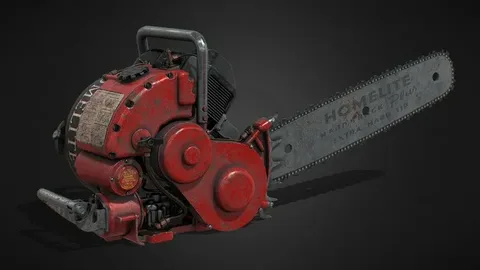
The chainsaw is one of the most recognizable tools in both professional and domestic settings. Its journey from a specialized logging instrument to a common household essential is a fascinating story of technological innovation, adaptation, and practicality. In this article, we explore the evolution of the chainsaw: from logging tool to household essential, highlighting its historical roots, technological advancements, and modern-day uses.
Origins of the Chainsaw
The chainsaw was originally developed in the late 18th and early 19th centuries, not as a household device, but as a tool for medical and forestry applications. Early versions were manually operated, cumbersome, and primarily used for cutting bone in surgical procedures. By the 1920s, the design had evolved into a motorized version for forestry, allowing loggers to cut trees faster and with less physical strain.
Technological Advancements
The mid-20th century marked a turning point in the evolution of the chainsaw. Lightweight materials, improved engines, and enhanced safety features transformed the chainsaw into a more versatile tool. Gasoline-powered chainsaws became standard in forestry, while electric chainsaws emerged as a quieter, cleaner alternative suitable for home use. The rise of battery-powered chainsaws in the 21st century further emphasized portability and convenience, solidifying the chainsaw’s place beyond industrial use.
Chainsaws in the Household
Today, the chainsaw is no longer just a symbol of the logging industry. Homeowners and DIY enthusiasts use chainsaws for a variety of purposes, from pruning and cutting firewood to tackling landscaping projects. Modern chainsaws are designed with safety features like chain brakes and ergonomic handles, making them accessible and practical for non-professional users. The transformation from a heavy-duty logging instrument to a household essential highlights how the evolution of the chainsaw: from logging tool to household essential has mirrored broader trends in technology and consumer needs.
Safety and Maintenance
With its increasing presence in homes, safety and maintenance have become crucial. Proper training, protective gear, and regular maintenance ensure that chainsaws can be used effectively without accidents. Manufacturers continue to innovate, offering models that are quieter, lighter, and easier to handle, demonstrating how the tool continues to evolve to meet modern demands.
Conclusion
The journey of the chainsaw is a testament to human ingenuity. From its origins as a manual medical instrument to its current status as a household essential, the chainsaw has undergone remarkable transformations. Its story reflects not only technological progress but also the adaptation of tools to suit changing societal needs. Indeed, the evolution of the chainsaw: from logging tool to household essential illustrates how a specialized industrial device can become an indispensable tool in everyday life.

3 Comments
The 6655betapp has improved my betting experience significantly. It loads fast, and I receive notifications for the latest offers. Grab your download at: 6655betapp
850betvip – Ok, so 850betvip, huh? I saw my friend playing and thought I could try as well. The VIP scheme seemed like a good deal, so I tried it out myself! I’m really into it now. You can find it here 850betvip
Has anyone else checked out 76nplataforma? I was pleasantly surprised. Solid platform with a good selection of games. Worth a look if you’re searching for something new. Check it out: 76nplataforma