



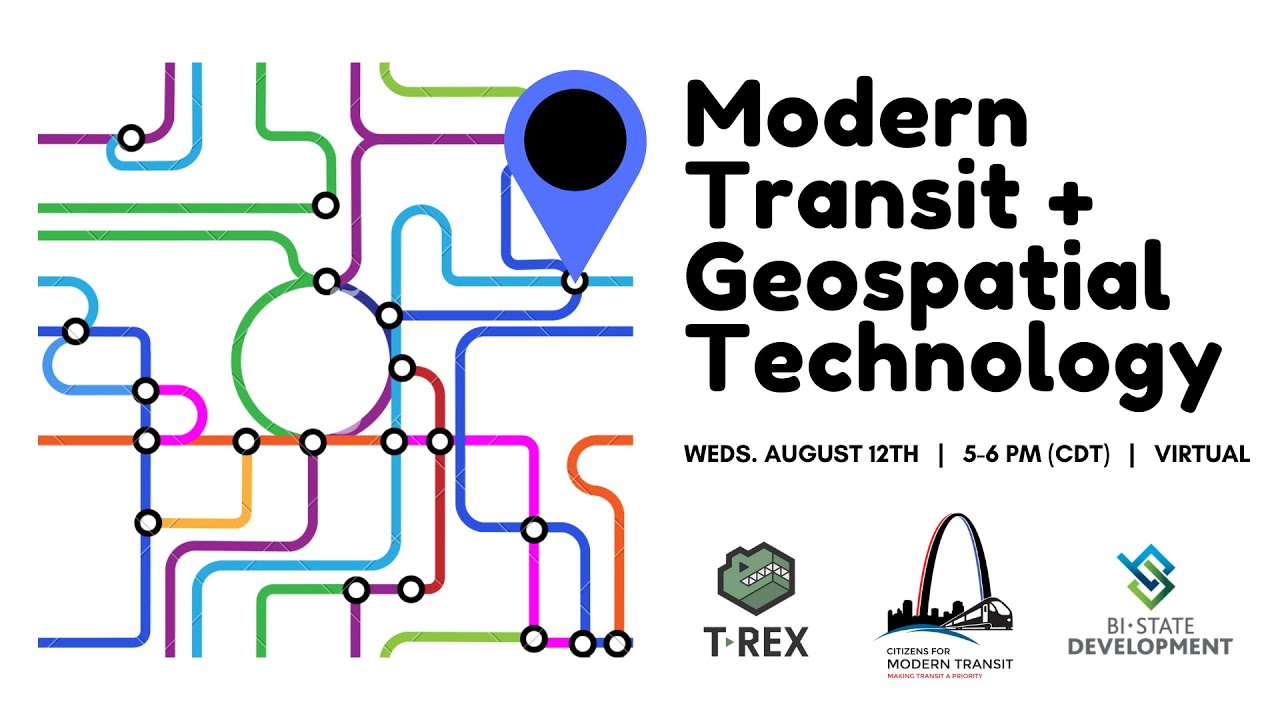
Sustainable development has become a global priority, emphasizing the balance between economic growth, social equity, and environmental protection. One of the most powerful tools supporting this goal is geospatial technology, which enables governments, organizations, and communities to make informed decisions about resource management and planning.
Understanding Geospatial Technology
Geospatial technology refers to a collection of tools and techniques used to gather, analyze, and visualize geographic data. This includes Geographic Information Systems (GIS), Remote Sensing (RS), Global Positioning Systems (GPS), and satellite imagery. These technologies provide accurate spatial data, which can be used to monitor natural resources, assess environmental risks, and plan urban infrastructure.
Role of Geospatial Technology in Sustainable Development
Environmental Management
Geospatial technology is essential for monitoring ecosystems and natural resources. It helps track deforestation, water quality, and biodiversity, enabling authorities to implement conservation strategies effectively. For example, satellite imagery can detect illegal logging in real time, allowing for swift action to preserve forests, which are crucial for climate regulation.
Urban Planning and Infrastructure
Sustainable urban development requires careful planning of transportation, housing, and public services. By integrating geospatial data, city planners can identify areas prone to flooding, optimize traffic flow, and plan green spaces. This reduces environmental impact while enhancing the quality of life for urban populations.
Disaster Risk Reduction
Natural disasters such as floods, earthquakes, and hurricanes pose significant challenges to sustainable development. Geospatial technology helps in disaster risk assessment and early warning systems. Accurate mapping and spatial analysis can predict vulnerable zones, guiding evacuation plans and post-disaster recovery efficiently.
Case Studies
Several countries have successfully leveraged geospatial technology for sustainable development. For instance, in India, GIS mapping has been used to improve water resource management and track agricultural productivity. Similarly, in Kenya, satellite imagery assists in monitoring land degradation and planning reforestation projects.
Conclusion
Geospatial technology as a tool for sustainable development is transforming how societies interact with their environment. By providing precise data and analytical capabilities, it enables informed decision-making that promotes environmental conservation, efficient urban planning, and disaster resilience. As the global focus on sustainability intensifies, integrating geospatial technology into development strategies will be more critical than ever.

3 Comments
Just tried out jlbet1 and it’s not bad! Easy to navigate and a decent selection of games. Worth a look if you want something new. Worth a visit jlbet1
Alright, so I gave 24 betting american a shot on 24kbetbet.com. Gotta say, pretty smooth experience all around. The odds were decent and I didn’t have any trouble navigating the site. Check it out yourself! 24 betting american
Checked out 333bet27 at 333bet27.info. Looks promising. Registration was easy and they seem to have a good range of betting options. I’m going to give it a whirl! 333bet27