



In recent years, outdoor sports and adventure activities have grown tremendously in popularity. From hiking and mountain biking to kayaking and trail running, enthusiasts seek both excitement and safety during their adventures. One technology that has revolutionized outdoor activities is GNSS system. These systems play a crucial role in navigation, performance tracking, and ensuring safety in outdoor environments.
Understanding GNSS Systems
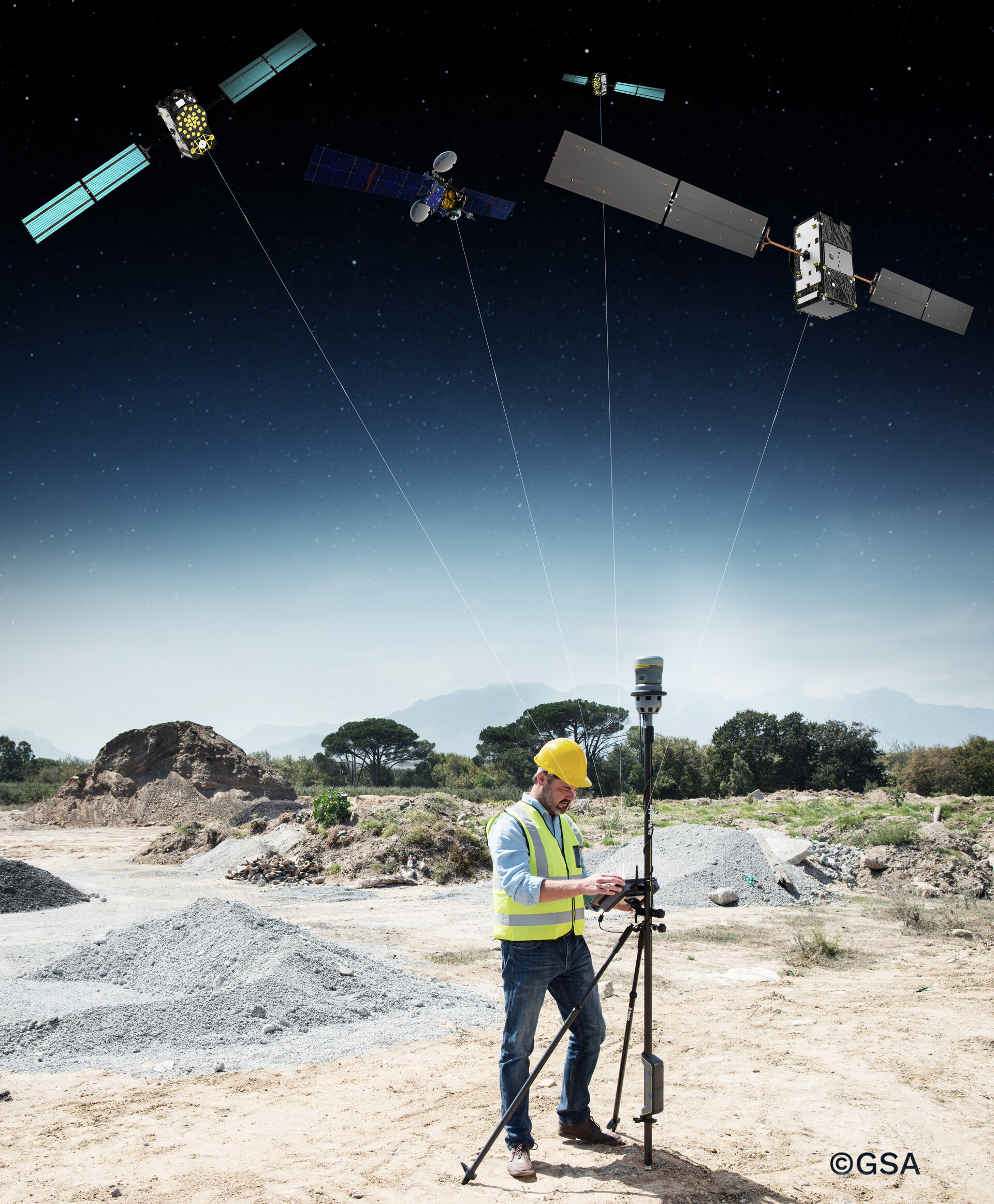
GNSS, or Global Navigation Satellite Systems, refers to a network of satellites that provide real-time location and timing information anywhere on Earth. Popular GNSS systems include GPS (United States), GLONASS (Russia), Galileo (European Union), and BeiDou (China). Unlike traditional maps or compasses, GNSS systems deliver precise, real-time location data, making them indispensable for outdoor sports enthusiasts.
Enhancing Outdoor Sports Performance
Athletes and adventurers can use GNSS systems to monitor performance in real-time. For example, trail runners and mountain bikers can track distance covered, elevation changes, and speed. Adventure racers often rely on GNSS systems to plan routes and optimize performance. With accurate tracking, participants can review their routes post-activity to analyze strengths and areas for improvement.
Safety and Emergency Applications
One of the most critical benefits of GNSS systems in outdoor sports and adventure tracking is safety. Hikers, climbers, and kayakers can use GNSS-enabled devices to share their location with friends or emergency services. In case of an accident or getting lost, rescue teams can quickly locate individuals using GNSS data. This technology has significantly reduced the risks associated with remote outdoor activities.
Choosing the Right GNSS Device
When selecting a GNSS device for outdoor sports, consider factors such as battery life, satellite compatibility, and durability. Many modern smartwatches and handheld GPS devices integrate multiple GNSS systems to improve accuracy. Choosing a device with multi-constellation support ensures reliable tracking even in challenging terrains, like dense forests or mountainous areas.
Conclusion
GNSS systems in outdoor sports and adventure tracking have become a game-changer. They not only enhance performance and route planning but also provide essential safety measures. Whether you are a casual hiker or a professional adventure athlete, leveraging GNSS technology ensures a safer, more enjoyable, and data-driven experience.
